Beyond the Novelty
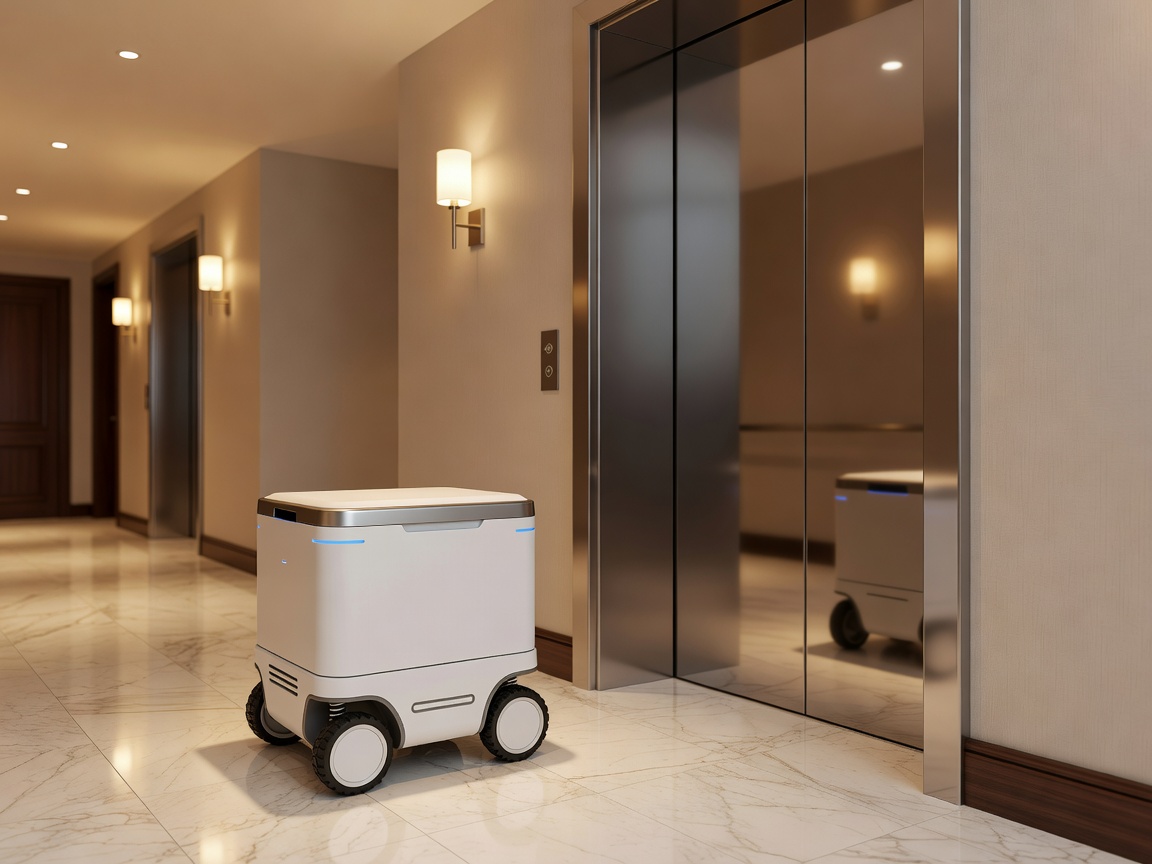
When autonomous delivery robots first appeared in hotel lobbies, they were largely viewed as a marketing gimmick—a high-tech novelty designed to generate social media posts rather than solve structural operational issues. However, as staffing shortages continue to challenge the hospitality sector and the technology matures, these robots have evolved into critical pieces of infrastructure for mid-scale and luxury properties alike.
The primary use case is "fetch and deliver" logistics. Whether a guest needs extra towels, toothpaste, a mid-night snack, or a coffee, these autonomous units handle the localized logistics, freeing human staff from time-consuming trips up and down elevator shafts.
How Hotel Robots Navigate
The technical challenge of navigating a multi-story hotel is complex. Modern delivery robots rely on a combination of hardware sensors and API integrations to traverse the property safely.
- LIDAR and Depth Cameras: Similar to autonomous vehicles, these robots use Light Detection and Ranging (LIDAR) to create a real-time 3D map of their surroundings. This allows them to detect moving obstacles—like guests, luggage carts, or children—and dynamically reroute or halt instantly.
- Elevator Integration: A robot is useless if it cannot change floors. They integrate with the building's elevator control system via Wi-Fi APIs. The robot approaches the elevator, digitally calls it, enters, requests the target floor, and exits—all without physical button presses.
- Telephony Integration: Upon arriving at the guest's door, the robot communicates with the hotel's PBX system to ring the room phone, playing an automated message that the delivery has arrived.
Pros and Cons of Robotic Implementation
| Advantages | Limitations |
|---|---|
| 24/7 Availability: Robots don't need sleep, making night-shift deliveries highly efficient and secure. | Payload Constraints: Most bots can only carry small items. They cannot deliver a full-sized room service cart or handle hot meals effectively. |
| Labor Redirection: Front desk staff are spared 15-minute delivery runs, allowing them to remain at their posts. | Navigation Edge Cases: Heavily carpeted areas, sudden Wi-Fi dead zones, or crowded lobbies can cause the robot to stall and require human intervention. |
| Guest Delight: Particularly for families or tech enthusiasts, receiving a delivery from a robot significantly boosts survey scores. | Capital Expense: The upfront cost of the hardware and the complex API integrations (especially for elevators) is substantial. |
The Future: Beyond Delivery
While delivery remains the dominant use case, robotics in hospitality is expanding. Autonomous vacuum sweepers are being deployed in long corridors and banquet halls during off-hours. Robotic pool cleaners are standardizing maintenance. We are also seeing the early stages of robotic heavy-luggage carts that follow guests directly to their rooms using beacon tracking.
Ultimately, the robots succeeding in hospitality are those that handle repetitive, low-skill, physically taxing tasks, allowing human employees to focus entirely on empathetic guest interactions.