The Invisible Hospitality Crisis
Few things damage a hotel's reputation faster than structural failures during a guest's stay. A broken air conditioning unit in the middle of summer, zero hot water on a busy morning, or out-of-service elevators create friction that no amount of free breakfast vouchers can repair. Traditionally, hotel maintenance has been reactive: an asset breaks, a guest complains, and a technician is dispatched to fix it.
Predictive maintenance uses artificial intelligence and continuous sensor data to identify the microscopic signs of failure weeks before a total breakdown occurs. It allows engineering teams to repair assets on their schedule, rather than during a guest emergency.
The Mechanics of Prediction
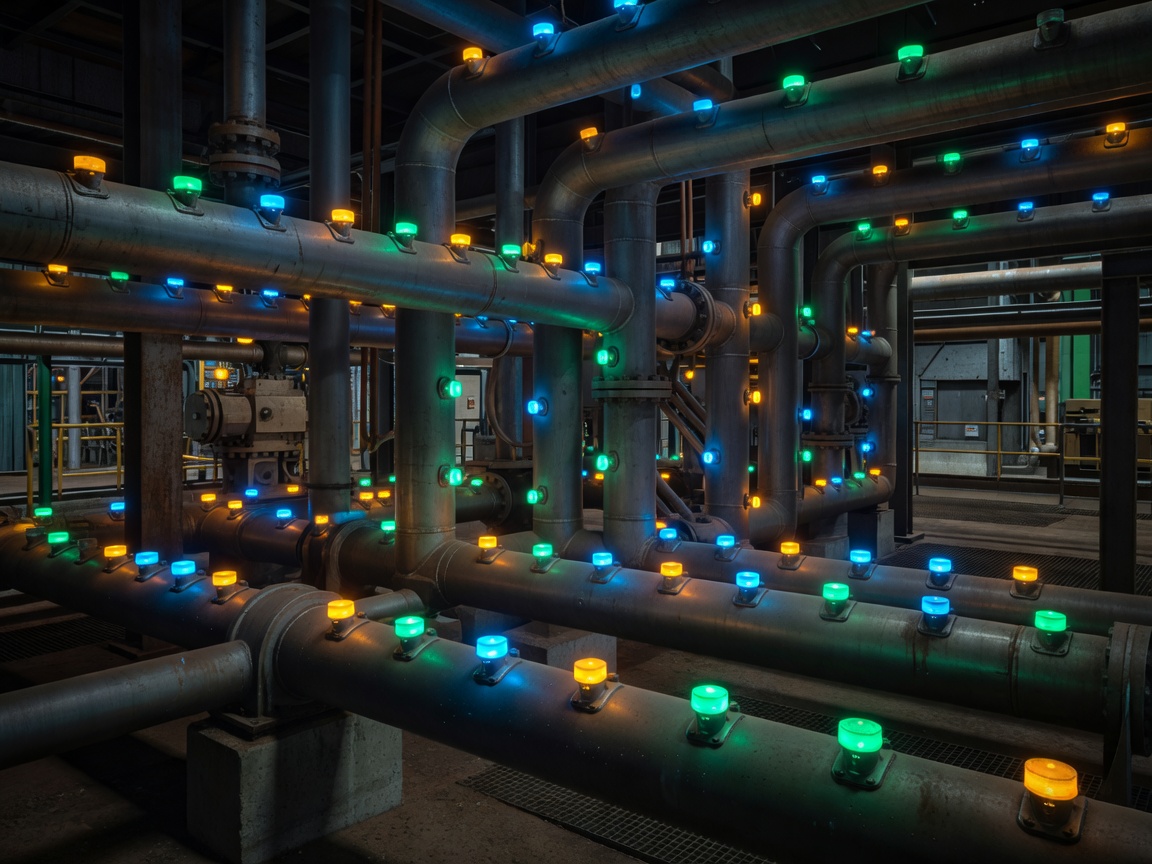
The foundation of predictive maintenance is a robust network of IoT sensors attached to the hotel's critical infrastructure. These sensors continuously stream telemetry data to cloud-based machine learning algorithms.
1. HVAC and Chiller Systems
Air conditioning units are the lifeblood of resort comfort. Sensors monitor vibration frequencies, acoustic profiles, and power draw. If a compressor bearing begins to wear out, the vibration signature changes slightly. The AI detects this anomaly, compares it against historical failure models, and generates a work order specifying that the bearing will likely fail in 14 to 21 days. The engineering team can then replace the part during an unbooked window.
2. Plumbing and Water Management
Undetected leaks behind walls can cause catastrophic mold and structural damage. Inline flow meters and acoustic sensors can detect micro-leaks or continuous anomalous flow. Furthermore, monitoring the temperature and pressure of industrial boilers ensures guests never experience a cold shower, while optimizing the fuel consumption of the heating element.
3. Elevator Telemetry
Elevator downtime in high-rise properties is a severe logistical bottleneck. Modern elevators report door open/close cycle times, motor torque, and cabin leveling accuracy. A door taking 0.4 seconds longer to close than baseline indicates track wear, prompting proactive lubrication before the door jams completely.
The Financial Imperative
While the initial outlay for sensor arrays and software licenses can be steep, the ROI calculation for hotel operators is clear. Predictive maintenance reduces capital expenditure by extending the lifespan of expensive machinery. It lowers operational costs by eliminating exorbitant emergency call-out fees for specialized technicians. Most importantly, it protects Revenue Per Available Room (RevPAR) by ensuring rooms are never taken offline due to unexpected mechanical failures.
In the highly competitive hospitality landscape, the best technology is often the technology the guest never sees, but implicitly relies upon to ensure a flawless stay.