The Evolution of Guest Communication
For decades, the standard procedure for hotel guests requiring assistance was to pick up the in-room telephone and dial the front desk. This method, while direct, is fraught with inefficiencies. Peak times result in hold music, language barriers complicate requests, and simple queries—such as "What time is checkout?"—occupy staff bandwidth that could be better spent on complex problem-solving.
The introduction of Natural Language Processing (NLP) to the hospitality sector has initiated a profound shift. AI concierges, functioning as sophisticated chatbots or voice assistants, now serve as the first line of communication between the guest and the hotel infrastructure.
How AI Concierges Work
Modern conversational AI in hotels goes far beyond the rigid decision-tree chatbots of the early 2010s. Today's systems leverage Large Language Models (LLMs) tuned specifically for hospitality contexts. The architecture typically involves three core layers:
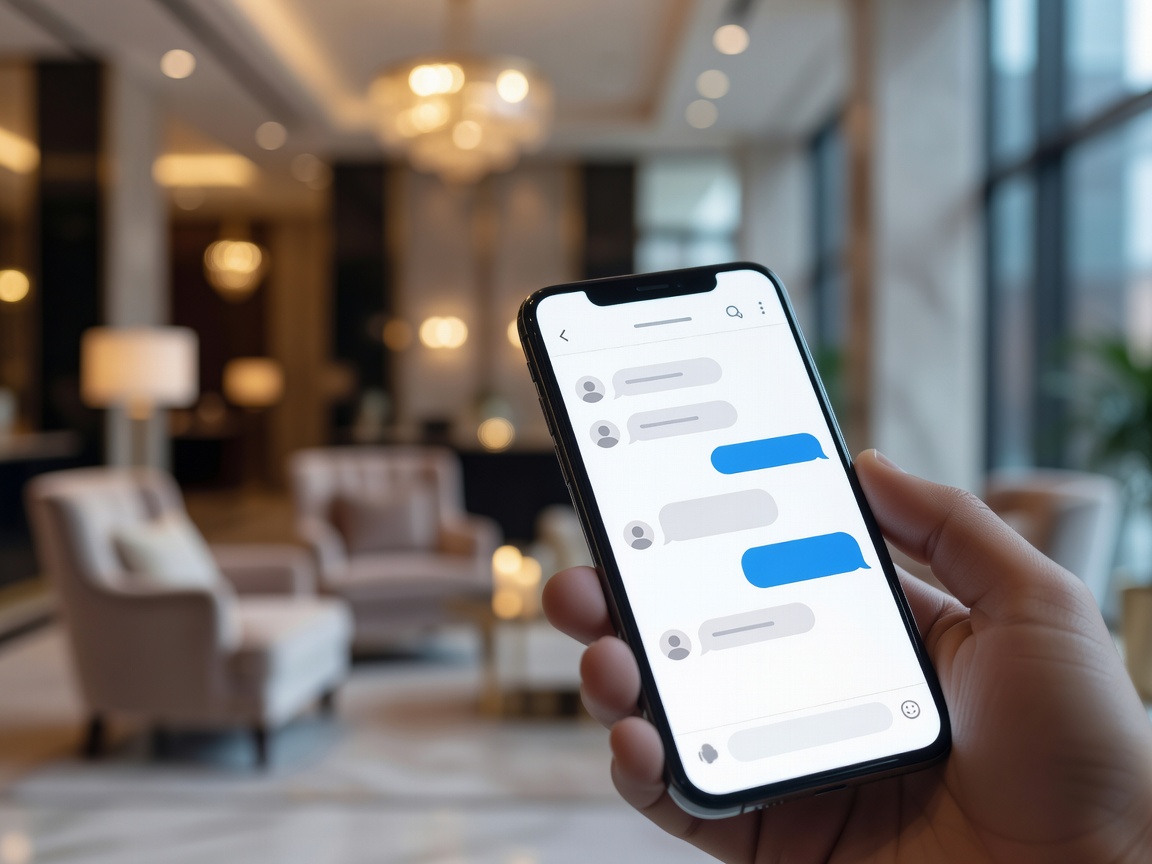
- The Interface: The guest interacts via a medium they already use, such as SMS, WhatsApp, or an in-room tablet or voice hub. There is no app download required, reducing friction.
- The NLP Engine: The AI interprets the guest's intent. If a guest texts, "Can I get some extra fluffy things for my bed?", the NLP engine understands "fluffy things" implies pillows or blankets, based on contextual training.
- The PMS Integration: The most crucial layer. The AI must communicate with the Property Management System (PMS) and task-management software. If a late checkout is requested, the AI checks real-time availability in the PMS, processes the fee, confirms with the guest, and alerts housekeeping.
Capabilities and Limitations
The current generation of AI concierges excels in specific domains while struggling in others. Understanding these boundaries is critical for hotel operators managing guest expectations.
Where the Technology Excels
- Multilingual Support: Real-time translation allows a front-desk agent who only speaks English to seamlessly communicate with a guest texting in Mandarin. The AI translates the inbound message to English, and the agent's outbound reply back to Mandarin.
- Instant Gratification: Routine requests—Wi-Fi passwords, gym hours, booking a table at the on-site restaurant—are handled in milliseconds, 24/7.
- Upselling: AI can dynamically suggest late check-outs or spa upgrades based on the guest's profile and current hotel inventory, driving incremental revenue without feeling pushy.
Current Technical Limitations
- Emotional Intelligence: AI struggles to de-escalate angry guests. The best systems are programmed with sentiment analysis: if frustration or specific negative keywords are detected, the system immediately hands the conversation over to a human agent.
- Integration Costs: Legacy hotel software is notoriously siloed. Building the API bridges necessary for an AI concierge to actually *execute* a task (rather than just answer a question) requires significant upfront investment.
The ROI of Conversational AI
The return on investment for AI concierges is typically measured in labor optimization rather than outright staff replacement. By filtering out the noise of routine inquiries, human staff are elevated from mere operators to genuine hospitality professionals. They have the time to look a guest in the eye, anticipate complex needs, and provide the human touch that AI cannot replicate. Ultimately, the AI concierge is not the replacement of hospitality, but the digital framework that allows true hospitality to scale.